Search engine optimization is one of the most effective digital marketing strategies for businesses that want to attract consistent, high-quality website traffic. Unlike paid advertising, which stops delivering results once your budget runs out, a well-planned SEO strategy continues to generate leads and visibility over time.
Building a successful SEO strategy requires more than simply adding keywords to your website. It involves understanding your audience, creating valuable content, optimizing technical elements, and continually improving your website’s performance. Businesses that invest in professional SEO services in Winnipeg often achieve stronger online visibility, higher search rankings, and sustainable business growth.
Whether you own a small local business or a growing company, following the right SEO approach can help you compete in today’s digital marketplace.
What Is an SEO Strategy?
An SEO strategy is a long-term plan designed to improve your website’s visibility in search engine results. The goal is to attract people who are actively searching for your products or services and convert them into customers.
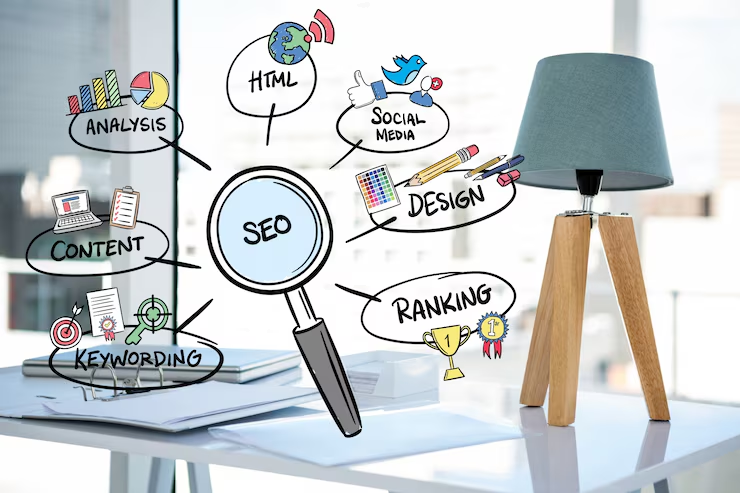
A successful SEO strategy combines several important elements, including:
- Keyword research
- High-quality content
- Technical SEO
- On-page optimization
- Link building
- Local SEO
- Performance monitoring
When these components work together, your website becomes more authoritative and easier for search engines to understand.
Why Long-Term SEO Matters
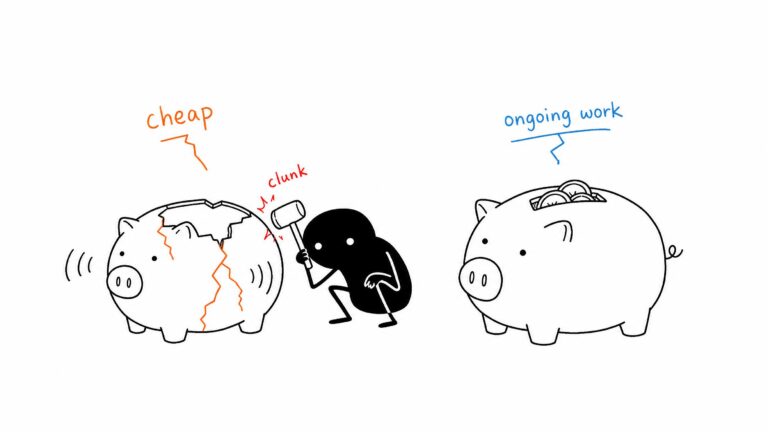
Many businesses expect immediate SEO results. However, SEO is a long-term investment that builds momentum over time.
Benefits of a long-term SEO strategy include:
- Consistent organic traffic
- Higher search rankings
- Increased brand awareness
- Better user experience
- Improved website authority
- Lower customer acquisition costs
Unlike paid advertising, organic traffic continues to grow as your website gains credibility.
Start With Clear Business Goals
Before optimizing your website, define what you want SEO to accomplish.
Your goals may include:
- Increasing website traffic
- Generating more leads
- Boosting online sales
- Improving local visibility
- Building brand authority
Clear objectives help shape your SEO strategy and make it easier to measure success.
Understand Your Target Audience
SEO is not just about search engines. It is about helping people find answers to their questions.
Consider:
- Who are your ideal customers?
- What problems do they need solved?
- What keywords are they searching?
- What type of content do they prefer?
Understanding user intent allows you to create content that matches what people are looking for.
Conduct Comprehensive Keyword Research
Keyword research forms the foundation of every successful SEO strategy.
Look for keywords that have:
- Strong search volume
- Relevant search intent
- Reasonable competition
- Local opportunities
For example, businesses serving Manitoba may target phrases like:
-
- SEO Winnipeg
- Winnipeg SEO agency
In addition to primary keywords, include related long-tail keywords naturally throughout your content.
Create High-Quality Content
Content remains one of Google’s strongest ranking factors.
Every page should provide useful, original, and well-organized information that answers users’ questions.
Your content strategy should include:
- Service pages
- Blog articles
- FAQs
- Location pages
- Industry resources
Publishing valuable content consistently helps establish your business as a trusted authority.
Optimize On-Page SEO
Each page on your website should be optimized for both users and search engines.
Important on-page elements include:
Title Tags
Create descriptive titles containing your primary keyword.
Meta Descriptions
Write compelling descriptions that encourage users to click.
Headers
Use H1, H2, and H3 headings to organize your content.
Internal Links
Link related pages together to improve navigation and distribute authority throughout your website.
Image Optimization
Compress images and include descriptive alt text.
Improve Website Speed
Website speed directly impacts user experience and search rankings.
Slow websites often experience:
- Higher bounce rates
- Lower engagement
- Reduced conversions
Improve speed by:
- Compressing images
- Reducing unnecessary code
- Using browser caching
- Choosing reliable hosting
Fast websites keep visitors engaged and improve SEO performance.
Ensure Mobile Friendliness
Google primarily evaluates the mobile version of your website.
A responsive design ensures users enjoy a consistent experience regardless of device.
Mobile-friendly websites typically achieve:
- Better rankings
- Lower bounce rates
- Higher engagement
- More conversions
Responsive design should be a core part of every SEO strategy.
Focus on Technical SEO
Technical SEO helps search engines crawl and index your website effectively.
Important technical improvements include:
- Secure HTTPS connection
- XML sitemap
- Robots.txt optimization
- Clean URL structure
- Canonical tags
- Structured data
- Fixing broken links
These improvements strengthen your website’s foundation.
Build High-Quality Backlinks
Backlinks remain one of Google’s strongest ranking signals.
Rather than pursuing large numbers of low-quality links, focus on earning links from reputable websites.
Effective methods include:
- Publishing helpful resources
- Guest blogging
- Industry partnerships
- Local business directories
- Digital PR
Quality always outweighs quantity.
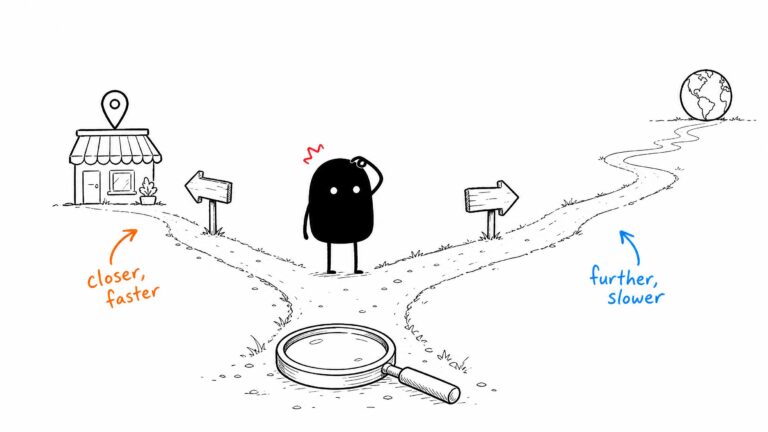
Strengthen Your Local SEO
For businesses serving specific areas, local SEO is essential.
Optimize your online presence by:
- Claiming your Google Business Profile
- Maintaining consistent business information
- Encouraging customer reviews
- Creating local content
- Building local citations
Businesses working with an experienced Winnipeg SEO agency often improve their visibility in local search results.
Optimize for User Experience
Search engines reward websites that provide positive user experiences.
Improve usability through:
- Simple navigation
- Clear layouts
- Readable typography
- Fast loading pages
- Easy-to-use contact forms
The easier your website is to use, the longer visitors stay.
Track Your SEO Performance
Monitoring performance helps identify opportunities for improvement.
Track important metrics such as:
- Organic traffic
- Keyword rankings
- Click-through rate
- Bounce rate
- Conversion rate
- Average session duration
Regular analysis helps refine your strategy over time.
Publish Content Consistently
SEO success requires ongoing effort.
Develop a content calendar that includes:
- Educational blog posts
- Industry news
- Frequently asked questions
- Service updates
- Seasonal content
Consistent publishing signals to search engines that your website remains active and relevant.
Update Existing Content
SEO is not only about creating new pages.
Refreshing existing content can improve rankings by:
- Adding updated statistics
- Expanding information
- Improving readability
- Updating keywords
- Fixing broken links
Search engines appreciate fresh, accurate information.
Avoid Common SEO Mistakes
Many businesses unknowingly hurt their rankings by making avoidable mistakes.
These include:
- Keyword stuffing
- Duplicate content
- Ignoring technical SEO
- Slow page speed
- Poor mobile usability
- Low-quality backlinks
- Missing meta tags
Following SEO best practices helps avoid penalties and maintain long-term growth.
Why Professional SEO Services Matter
Although some SEO tasks can be handled internally, developing a comprehensive strategy requires expertise.
A professional SEO company in Winnipeg understands how search algorithms evolve and can implement strategies that deliver measurable results.
Experienced SEO professionals provide:
- Keyword research
- Technical audits
- Content optimization
- Link-building strategies
- Performance reporting
- Local SEO improvements
Their expertise helps businesses stay competitive while saving valuable time.
SEO Is an Ongoing Process
Search engines continually update their algorithms.
Competitors continue publishing content.
Customer behavior changes over time.
For these reasons, SEO should never be viewed as a one-time project.
Successful businesses continually:
- Monitor rankings
- Update content
- Improve technical performance
- Expand keyword targeting
- Earn new backlinks
This consistent effort produces sustainable traffic growth. By partnering with Webgigg, businesses can implement a results-driven SEO strategy that adapts to changing search engine algorithms and supports long-term online success.
Conclusion
Building an effective SEO strategy takes time, planning, and ongoing optimization, but the long-term rewards are well worth the investment. By focusing on high-quality content, technical excellence, keyword research, user experience, and local optimization, businesses can generate sustainable organic traffic that supports long-term growth.
Whether you are launching a new website or improving an existing one, investing in professional SEO Winnipeg services can help your business achieve higher rankings, attract qualified visitors, and convert more prospects into loyal customers. If you’re looking for trusted SEO Winnipeg experts or a reliable Winnipeg SEO agency, contact us today to build a customized SEO strategy that delivers measurable results.
Frequently Asked Questions
1. How long does SEO take to produce results?
Most businesses begin seeing noticeable improvements within three to six months, although highly competitive industries may require additional time.
2. Why is keyword research important?
Keyword research helps you understand what potential customers are searching for so you can create content that matches their needs.
3. Is SEO better than paid advertising?
SEO provides long-term organic traffic, while paid advertising delivers immediate but temporary results. Many businesses benefit from using both strategies together.
4. How often should I update my SEO strategy?
Review your strategy regularly and update content, keywords, and technical elements at least every few months to stay competitive.
5. Why should I hire an SEO company?
An experienced SEO company in Winnipeg can create a customized strategy, improve your website’s technical performance, and help you achieve sustainable long-term growth.