Your website and your social media presence are not separate channels — they are two surfaces of the same brand. Businesses that treat them as isolated tools miss the compounding effect that comes from connecting them into a cohesive digital presence.
The Case for Integration
Brand reach compounds
Social sharing buttons, embedded social feeds, and cross-promotional content on your website create pathways for your brand to spread beyond its existing audience. A visitor who reads a useful post on your website and shares it on LinkedIn extends your reach to their network without any additional ad spend.
User experience improves
Social login options reduce friction for visitors who would otherwise abandon a form. Embedding social proof — a curated Instagram feed for a design portfolio, Google reviews for a service business — creates a richer experience than static text alone.
User-generated content becomes a trust asset
Customer reviews from Google, Facebook, or Yelp displayed on your website serve as authentic third-party validation. Unlike testimonials you write yourself, social proof sourced from external platforms carries implicit verification.
Analytics become more complete
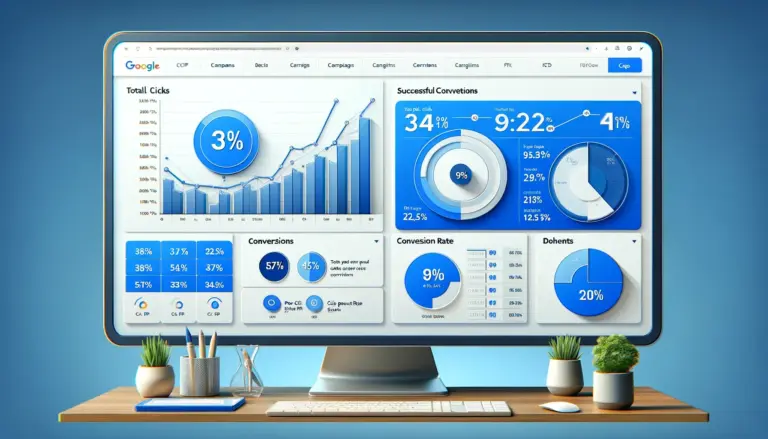
Integrating social media tracking with your website analytics gives you a fuller picture of the customer journey — which social platform drives the highest-converting traffic, which content generates the most shares, and where social referral visitors exit the site.
Practical Integration Strategies
Social sharing on every content page. Add one-click sharing buttons to blog posts, case studies, and service pages. For B2B businesses in Canada, LinkedIn and email-to-friend sharing typically outperform everything else.
Embedded social feeds on relevant pages. A well-curated Instagram feed on a portfolio page adds dynamism and keeps page content fresh without manual updates. Only embed feeds where the content genuinely adds context.
Consistent brand messaging across platforms. Your website, LinkedIn company page, Facebook page, and Google Business Profile should all communicate the same service offering, contact information, and visual brand. Inconsistency between platforms undermines trust and confuses search algorithms.
Review widget integration. Google Business Profile reviews can be embedded on your website, creating a live, self-updating social proof section that converts skeptical prospects before they contact you.
Start With the Right Foundation
A website built with social integration in mind — proper Open Graph tags for sharing previews, fast load times, and consistent brand messaging — performs better across every channel it connects to.