As a small business owner, implementing affordable SEO strategies can make a big difference in building visibility, driving traffic, and gaining customers. Here are actionable steps you can take to SEO your business effectively while staying within a budget.
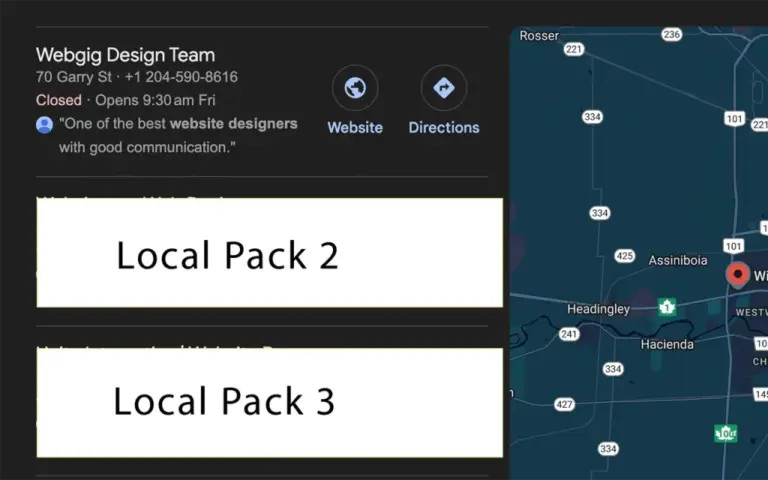
1. Optimize Your Google Business Profile
Your Google Business Profile (GBP) is often the first point of contact for potential customers searching for businesses like yours.
- Claim your profile: Sign up for Google My Business if you haven’t already.
- Complete all details: Fill in your business name, address, phone number, website link, hours, and accurate descriptions.
- Use high-quality photos: Showcase your storefront, products, team, or services.
- Encourage reviews: Ask satisfied customers for reviews and respond professionally to all feedback.
2. Use Free Tools for Keyword Research
Keyword research helps you understand what your target audience is searching for. Try free tools like Google Keyword Planner, Ubersuggest, or AnswerThePublic. Pick keywords that are highly relevant to your business but have low competition.
3. Create Quality, Targeted Content
- Focus on intent: Address customer needs. Writing “10 Tips for Plumbing Maintenance” helps a plumbing service attract potential customers searching for solutions.
- Use keywords naturally: Incorporate your target and related keywords within titles, headings, and body text without overstuffing.
4. Implement On-Page SEO Best Practices
- Title tags: Ensure titles are catchy and include keywords.
- Meta descriptions: Write concise, keyword-focused descriptions for search results.
- Header tags (H1, H2): Use headings with target keywords to structure pages.
- Internal links: Link blog posts or services to other pages, helping users navigate your site.
5. Make Your Website Mobile-Friendly
Mobile responsiveness is crucial since most users search online using their phones. Use a responsive web design that adjusts layouts based on screen size, and minimize image and code sizes to speed up load times.
6. Leverage Local SEO
- Ensure consistent NAP (Name, Address, Phone): Use identical contact details across your website, GBP, and online directories.
- Include local keywords: Use phrases like “affordable plumber in Winnipeg” or “dentist near me.”
- List on local directories: Add your business to Yelp, Yellow Pages, or regional directories.
7. Encourage Online Reviews
Customer reviews not only enhance credibility but also improve your local SEO ranking. Politely ask customers to leave reviews on GBP or platforms like Yelp after successful service. Use automated follow-up emails or SMS with direct links to review platforms.
8. Use Affordable Link-Building Tactics
- Guest post: Write content for related blogs in your niche and link back to your site.
- Broken link building: Reach out to websites that have broken links and suggest replacing them with your content.
- List in directories: Add your business to reputable directories for quality citations.
9. Monitor Performance With Free Tools
- Google Analytics: Track website visitors, traffic sources, and audience behavior.
- Google Search Console: Identify ranking keywords, click-through rates, and technical issues.
- PageSpeed Insights: Analyze how quickly your site loads.
10. DIY Where Possible
If hiring an SEO agency is out of your budget, take a DIY approach. Write your own blogs, use social media to amplify visibility, and use free tutorials online to learn and improve your basic SEO knowledge.